CQI Diploma
U503 - Monitoring and Measurement for Quality
The
CQI Diploma in Quality Management provides new and existing quality
practitioners with the knowledge and skills to plan and manage an
organisation's quality management function. The qualification does
this by developing a comprehensive understanding of the role of
quality and the quality function within the whole organisation.
Students who successfully complete the 9 Diploma Units and have the required work experience will be eligible to apply for the CQI full membership.
Potential job roles include: Quality Manager, Quality Assurance Manager, Customer Service Manager, Operations Manager, Business Improvement Manager, Business Systems Manager, Senior Quality Manager, Quality Management Specialist/Consultant.
For information on how you can use these units in other CQI
qualifications, download the
CQI Qualifications and unit matrix.
THE PACKAGE
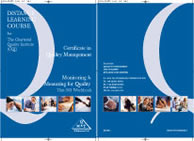 |
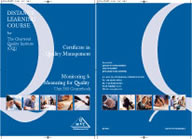 |
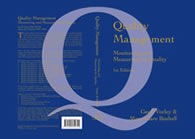 |
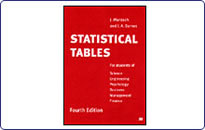 |
| Course Book |
Workbook |
Text Book |
Statistical Table Murdoch & Barnes |
The distance learning material is sent to you upon course registration. The packages include:
- Coursebook - containing tutorial notes and information
- Workbook - containing questions and answers
- Text Book - 'Quality Management - Monitoring & Measuring for Qualit' by Vorley & Bushell
- Sample exam paper
- Tutorial support is provided by telephone, fax, e-mail or written correspondence as required. See QM&T Team
- QM&T Newsletter with all the very latest QA news. Keeping you right up to date and informed on what is happening in the Quality Assurance field.
Unit 503 Syllabus
Unit 503
Monitoring and Measuring for Quality
|
Unit Aim: To be able to select the appropriate monitoring, measuring and diagnostic tools relating to specific product and service quality situations. To be aware of the advantages and limitations of methods selected and to be able to design and manage the data collection and analysis processes effectively.
On successful completion of this unit students will be able to:
- Understand the role of monitoring and measuring in making decisions relating to quality
- Understand the use of methods for data collection and analysis
CQI suggested assessment method: Assignment
|
Indicative content
|
Fundamental principles
• Principle of ‘factual approach’ to decision making’ (ISO 9000)
• Types of data:
- variable,
- attribute
- subjective
• Introduction to sampling plans
• Reducing sampling risks
Criteria for selection
• When, where and how much data to collect
• How it should be collected and by whom
Types of data collection
• Data collection methods:
- Process measures
- Key performance indicators
- Surveys
- Periodic sampling
- In process inspection
Tools for data collection
• Inspection and test records
• Automatic data collection
• Time based records (processing speed)
• Database queries and reports / data mining
• Check sheets / tally sheets |
|